
Security seals are the quiet overachievers of supply chain integrity
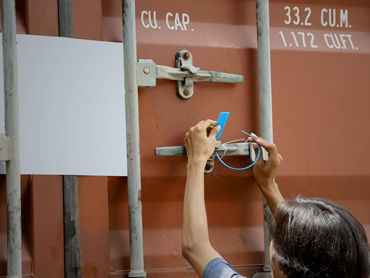
Security seals are the quiet overachievers of supply chain integrity. They don’t prevent a heavy-duty bolt cutter from opening a trailer, but they do something far more crucial: they provide undeniable, tamper-evident proof the moment an unauthorized opening occurs.
When goods are moving across borders, sea lanes, or simply between regional distribution centers, maintaining a unbroken chain of custody is everything.
Key Types of Security Seals
Choosing the right seal depends entirely on the level of risk and the asset being secured.
Bolt Seals: High-security metal locks designed specifically for shipping containers and cross-border freight. They require bolt cutters to remove and must comply with ISO 17712 standards to meet international customs guidelines (like C-TPAT).
Cable Seals: Flexible steel wire seals that thread through irregular locking mechanisms, structural latches, or valve handles where fixed bolts can’t fit.
Plastic Pull-Tight Seals: Indicative seals used primarily to deter opportunistic theft and reveal tampering. Ideal for airline catering carts, fire extinguishers, totes, and medical kits.
Tamper-Evident Tape & Labels: Applied directly over box seams, access panels, or envelopes. Once peeled back, they leave a permanent void pattern or residue that cannot be hidden.
Why Small Seals Prevent Massive Losses
Immediate Deterrence: Crime is often a game of convenience. A visibly sealed latch forces bad actors to move on to easier targets.
Clear Accountability: Unique serial numbers, bar codes, and QR codes allow logistics managers to log the exact seal applied at dispatch. If the number doesn’t match at receiving, the driver or carrier is immediately flagged.
Regulatory Compliance: Hazardous materials, food products, and pharmaceutical shipments are subject to strict regulatory mandates requiring tamper-proof tracking.
Insurance Protection: Claims filed for stolen cargo are significantly easier to substantiate when you can pinpoint the exact leg of transit where a seal breach occurred.
Best Practices for Implementation
Record the Number Every Time: A seal is only as good as the log sheet. Always record serial numbers on the Bill of Lading (BOL).
Standardize Verification: Train receiving teams to perform a physical check—pulling firmly on the seal to test structural integrity before cutting it open.
Control Inventory: Store unused seals in secure areas with access limited exclusively to authorized warehouse supervisors.