Boost productivity, cut costs, and guarantee zero-defect precision at scale.
Automation streamlines operations by boosting throughput and eliminating human error for uniform quality. It optimizes complex workflows and cuts long-term costs through reduced waste and minimized labor overhead. By taking over hazardous, repetitive tasks, these smart systems ensure safer working conditions for employees.
SPM PRODUCTS
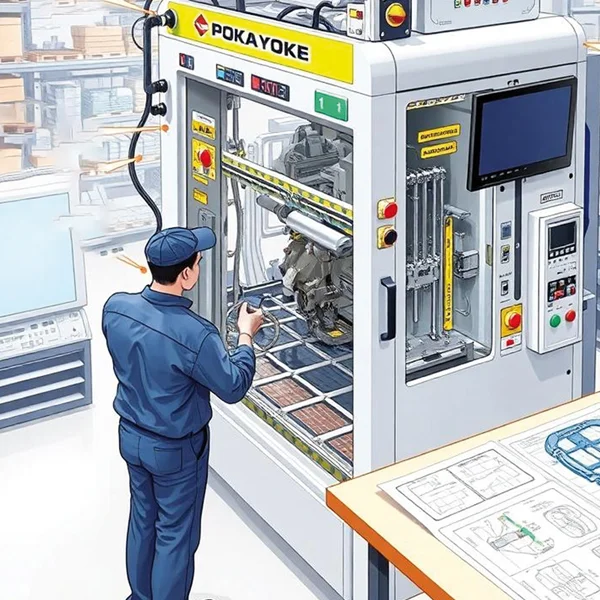
POKA YOKA
The term refers to any mechanism, device, or procedure designed to prevent, correct, or draw attention to human errors as they occur in a process. The goal is to achieve zero defects by preventing errors at the source rather than relying on inspections to find them later.
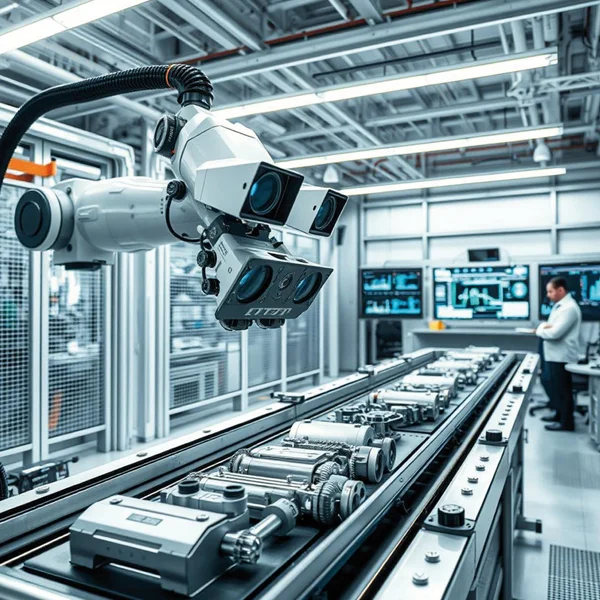
A vision inspection system, also known as a machine vision system, is a technology that uses industrial cameras, lighting, and computer software to perform automated quality control. It is the “eyes” of an automated production line, inspecting products for defects, verifying assembly, and ensuring consistency with a level of speed and accuracy that surpasses manual inspection.
A vision inspection system, also known as a machine vision system, is a technology that uses industrial cameras, lighting, and computer software to perform automated quality control. It is the “eyes” of an automated production line, inspecting products for defects, verifying assembly, and ensuring consistency with a level of speed and accuracy that surpasses manual inspection.
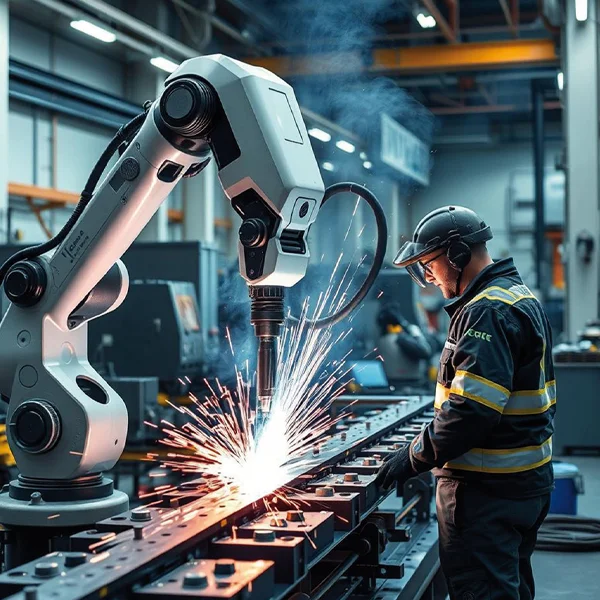
Welding automation uses specialized equipment, software, and devices to perform welding tasks with minimal human intervention. By replacing or assisting manual welders, automation can significantly enhance productivity, consistency, and safety in manufacturing settings.
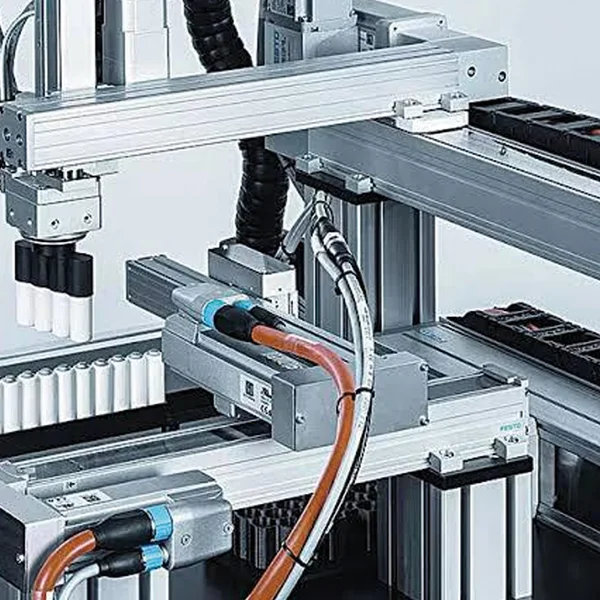
A “pick and place” solution is an automated system designed to pick up objects from one location and place them in another with speed, accuracy, and precision. This process automates repetitive, and often manual, tasks in manufacturing, warehousing, and logistics, enhancing efficiency, safety, and product quality.
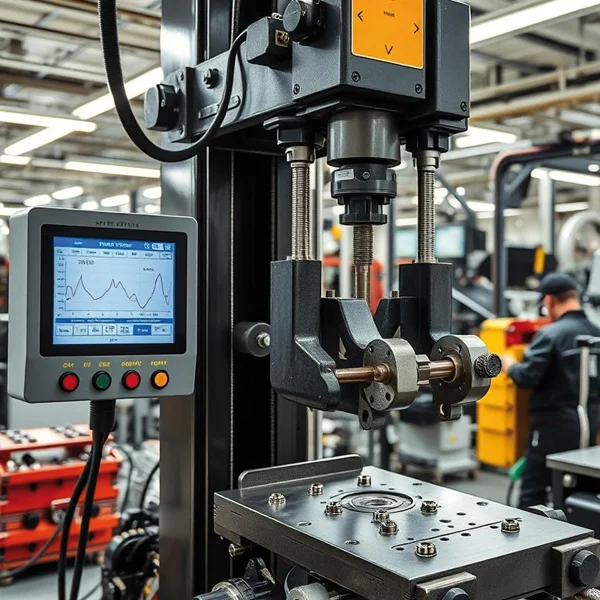
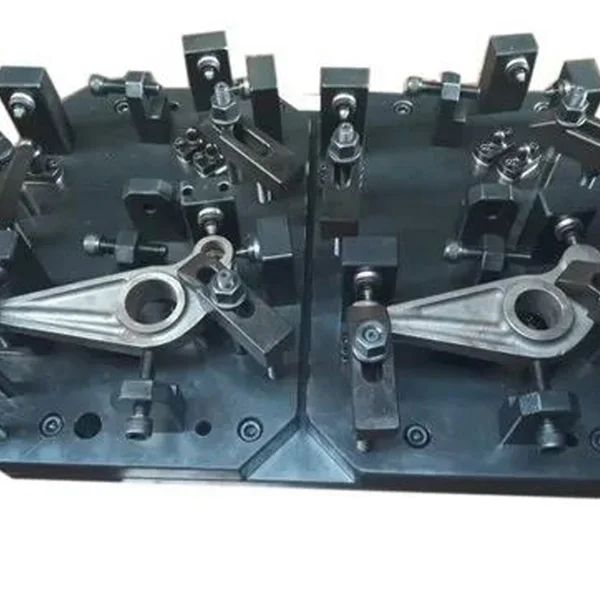
Jigs and fixtures are manufacturing tools that ensure consistency and accuracy in producing multiple identical parts. The main difference is that a jig not only holds the workpiece but also guides the cutting tool, often used for operations like drilling. In contrast, a fixture primarily holds and supports the workpiece during operations like milling or grinding, but does not guide the cutting tool itself.